In 2020, Soul was released in theaters. With its stunning visuals and outstanding rendering techniques, it was no surprise that the film won the Academy Award for Best Animated Feature. Pixar’s CG animation has long been synonymous with top-tier commercial animated films. This report will review the advancements in CG technology that Pixar has made over the years.
The Use of Beveling
In 1995, Pixar produced the first 3D animated feature, Toy Story. At the time, its impressive visuals left audiences in awe. However, after decades of CG development, we can now identify a few points where it could be improved. One of the most notable aspects is the lack of beveling in Toy Story’s modeling, as beveling was not widely used in CG animation back then.
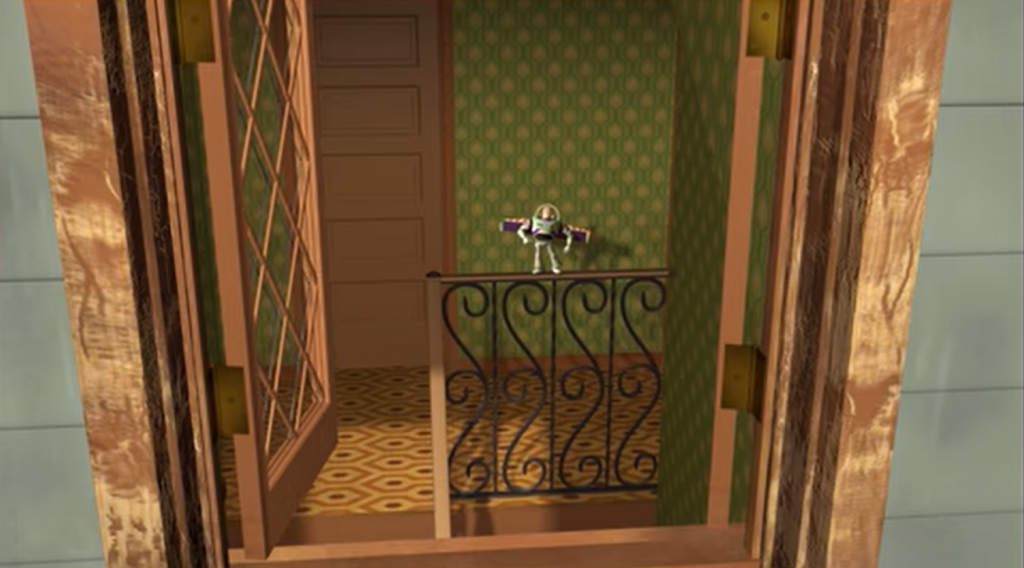
It can be seen that the window edges appear very stiff due to the lack of beveling in the modeling.
The absence of beveling resulted in several drawbacks. Firstly, the edges of objects in Toy Story appear overly sharp, which does not align with how we perceive objects in the real world. Besides, due to the stark contrast between the faces of the models, the visuals produced some cluttered feelings, making it harder for the audience to focus on the key elements of the scene.
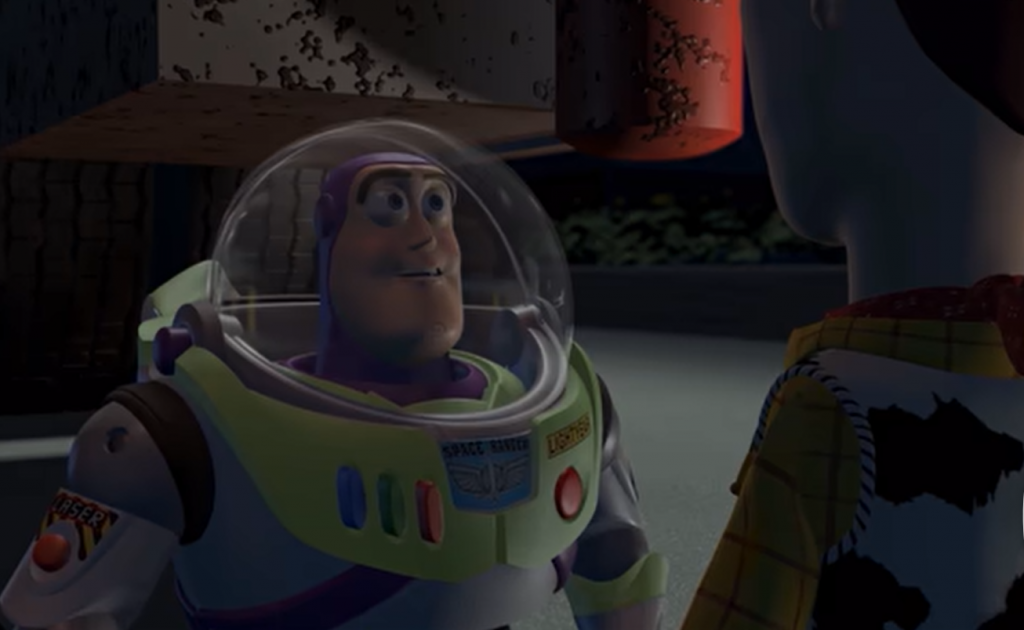
It can be seen that it is hard for the audience to focus on the key elements of the scene because of strong contrast between the faces of the model in the background
By the time A Bug’s Life was released in 1998, there was a noticeable improvement in this aspect. The edges of objects became softer, leading to a more visually pleasing and natural look.Furthermore, Pixar’s modeling has become more detailed in background design. Instead of simply using textures to create surface details as before, the production team employed sculpting techniques to create more realistic objects, making the environment feel more natural and lifelike.

Lighting Improvements
In 2001, Monsters, Inc. marked a significant leap in lighting techniques. Compared to its predecessors, the lighting in Monsters, Inc. was much softer, making objects appear less harsh and artificial. This improvement was not only due to advancements in lighting tools within CG software but also the growing experience and expertise of the artists.
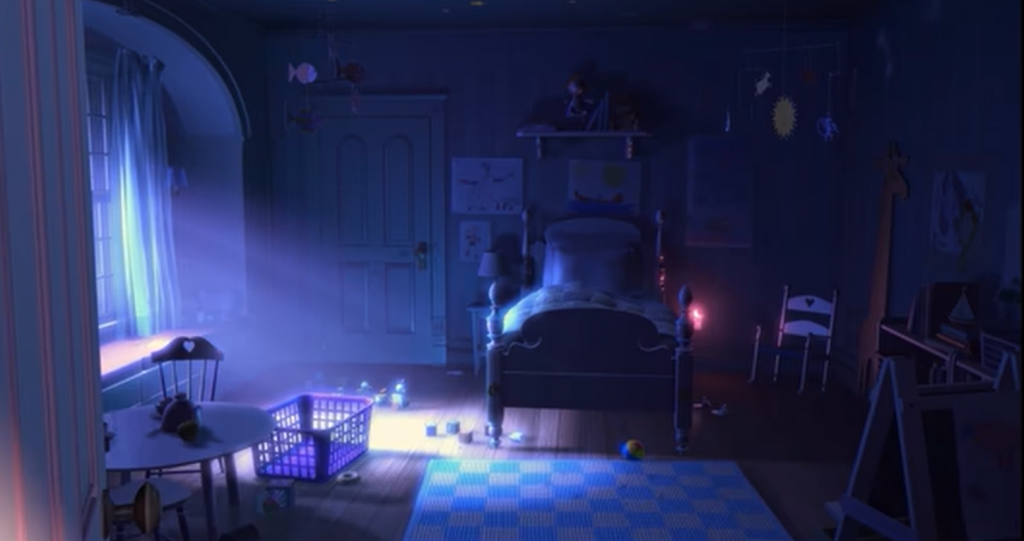
It can be seen that the lighting effects in Monsters, Inc. have significantly improved compared to Pixar’s previous works. This is not only due to software upgrades but also the continuous improvement of lighting artists’ skills and accumulated experience.
The progress in lighting was even more apparent in 2003’s Finding Nemo. Despite only a two-year gap, the impact of improved lighting technology was significant. The film’s lighting appeared much smoother, and the transitions between light and shadow were more gradual and natural.
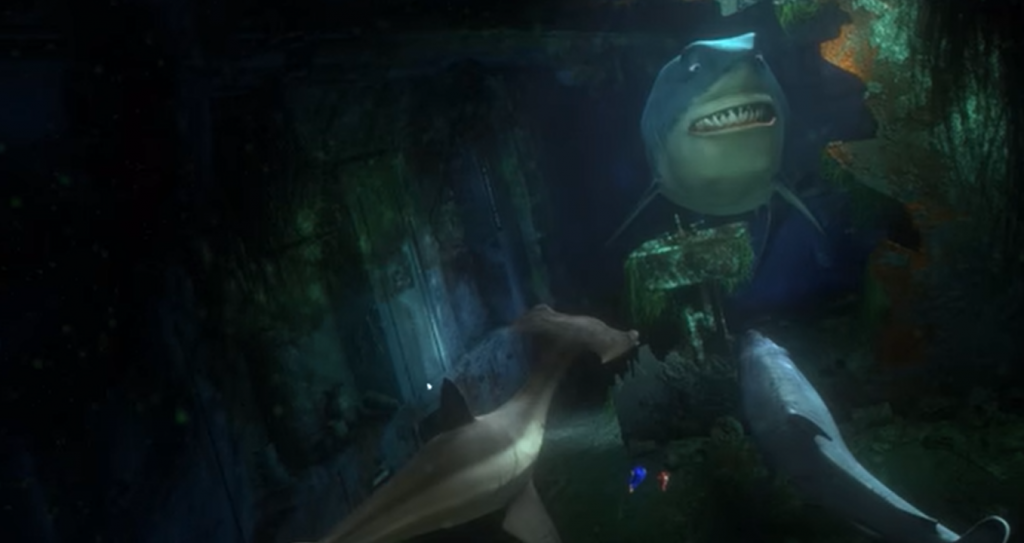
Ray Tracing Technology
In 2006, Cars showcased another groundbreaking advancement, the use of ray tracing technology. This allowed highly reflective materials, such as metal, to realistically reflect surrounding light and objects. This was a game-changer for Pixar’s visuals.
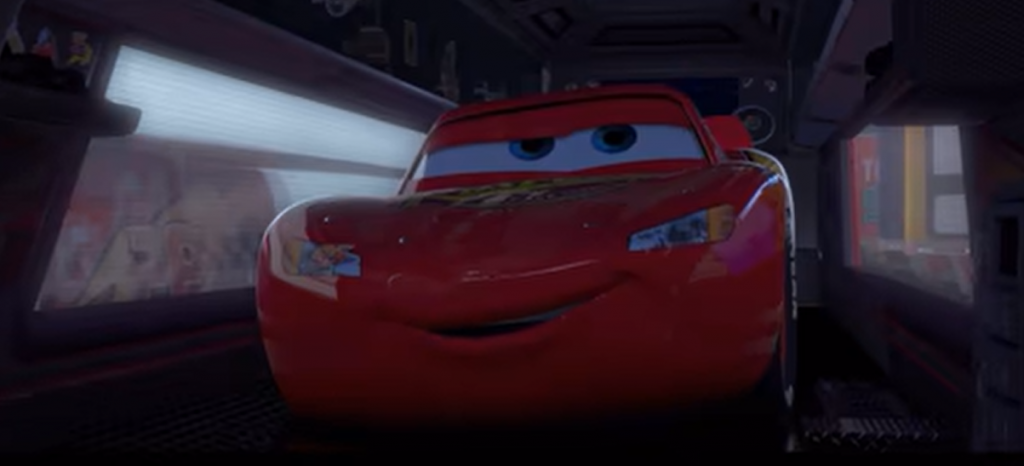
It can be seen that ray tracing technology allows the car surfaces to reflect the surrounding light and objects.
In Cars, ray tracing enabled the vehicles’ paint and surfaces to accurately reflect their environment, making them look incredibly realistic. This marked a qualitative leap in Pixar’s rendering capabilities and set a new standard for CG animation.
Overall, Pixar’s continuous pursuit of technological innovation has played a crucial role in shaping the evolution of CG animation, pushing the boundaries of visual storytelling with each new film. These innovations have solidified Pixar’s reputation as a leader in CG animation, continuously elevating the quality and realism of animated films.
Leave a Reply