After a few exercises on the basic principles of motion in Unit 1 (including bouncing character, push and pull, mood change walk, and quadruped movement and etc.), it was excited to take on two more complex character performance exercises. This report focuses on my work on these two projects.
Silence Film
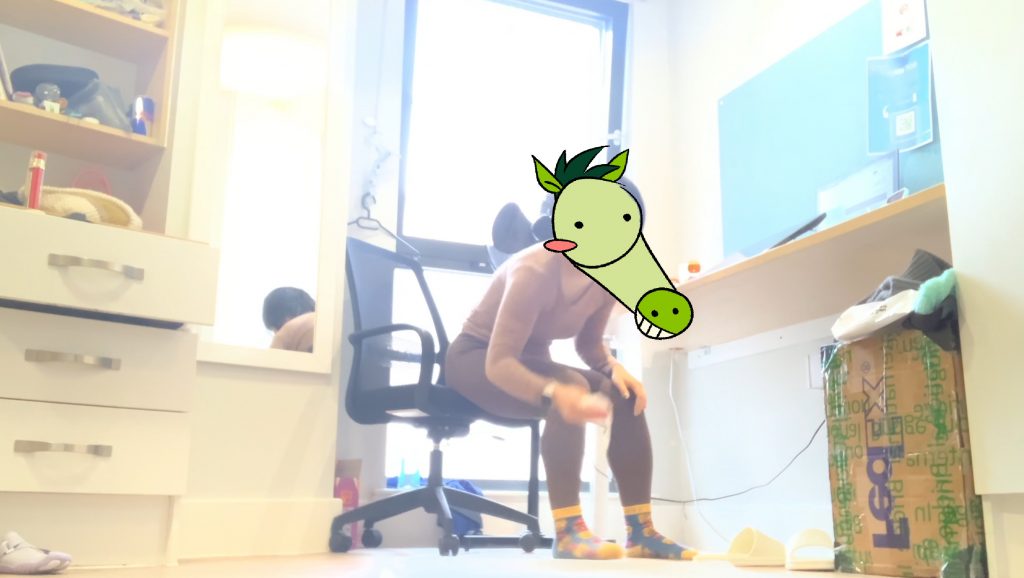
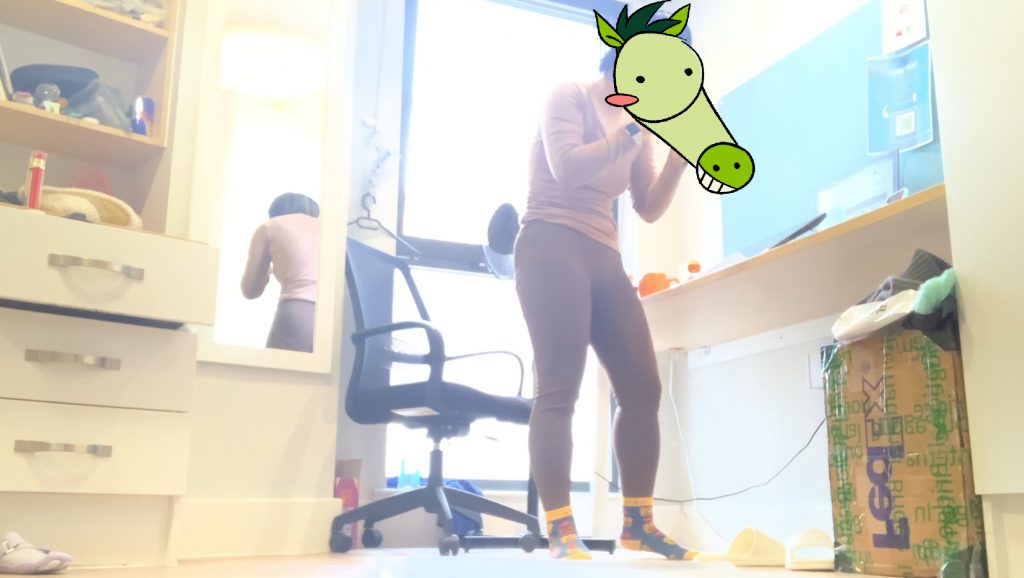
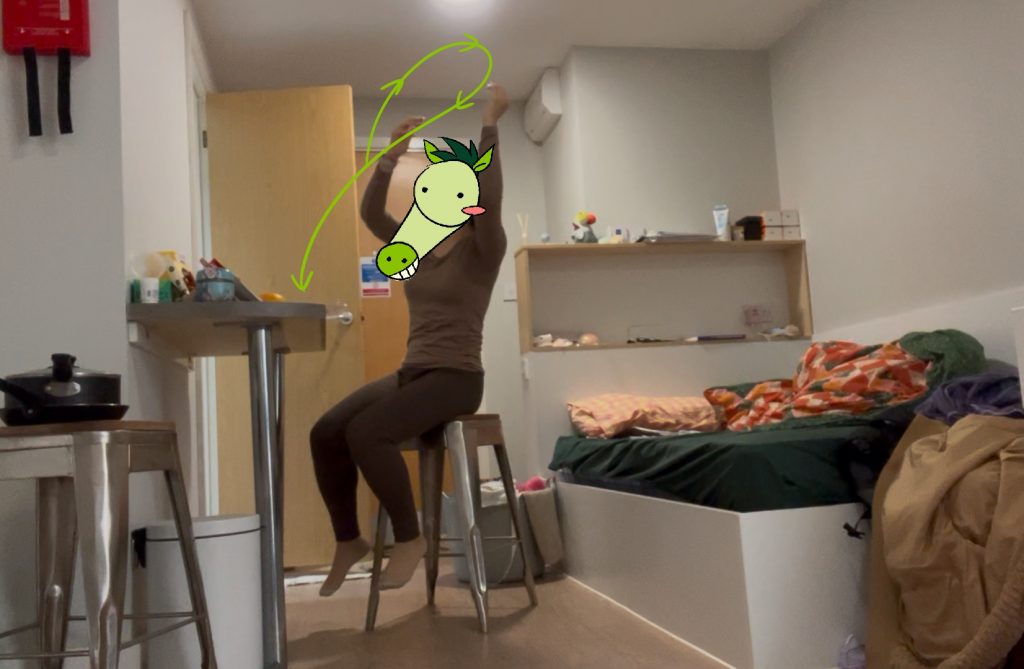
For this project, I aimed to create an animation of a character picking up and reading a letter. I divided the character’s main reactions into a few stages, including noticing, picking up the letter, reading, getting surprised, getting angry and outburst. I drew the golden poses and then filmed acting references based on them.
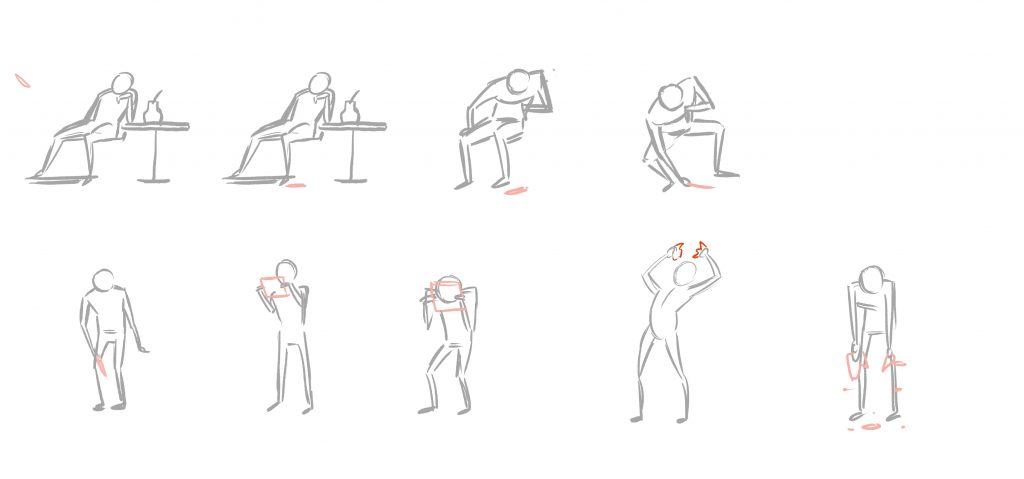
One thing I learnt from this project is about maintaining the character’s balance and weight shift. Actually it was a challenge I faced in this project when animating the transition of the character from a seated to a standing position.
This required applying techniques from Life Drawing classes, specifically identifying the model’s center of gravity and ensuring balance. During the animation process, I found that when the character quickly stands up, the supporting leg rapidly shifts between moving forward and backward, temporarily disrupting their balance. To make the motion reasonable, I added a slight weight shift and sway after standing up.
Another point I learnt from it is about using acting references wisely. While video references provide useful guidance, it’s crucial to distinguish primary actions from secondary ones and carefully design their sequence in animation. Additionally, exaggerating Anticipations and follow-throughs enhances clarity. For example, before the character turns their head to the right, they instinctively lean slightly to the left as a preparation movement. Similarly, before bending down to pick up an object, they first tilt their head back slightly and inhale.
Lip Sync
For this project, I created an animation of a small mouse eager for a peanut. This was a particularly interesting task because it not only required a convincing character performance but also demanded synchronization between what the character talked and his actions.
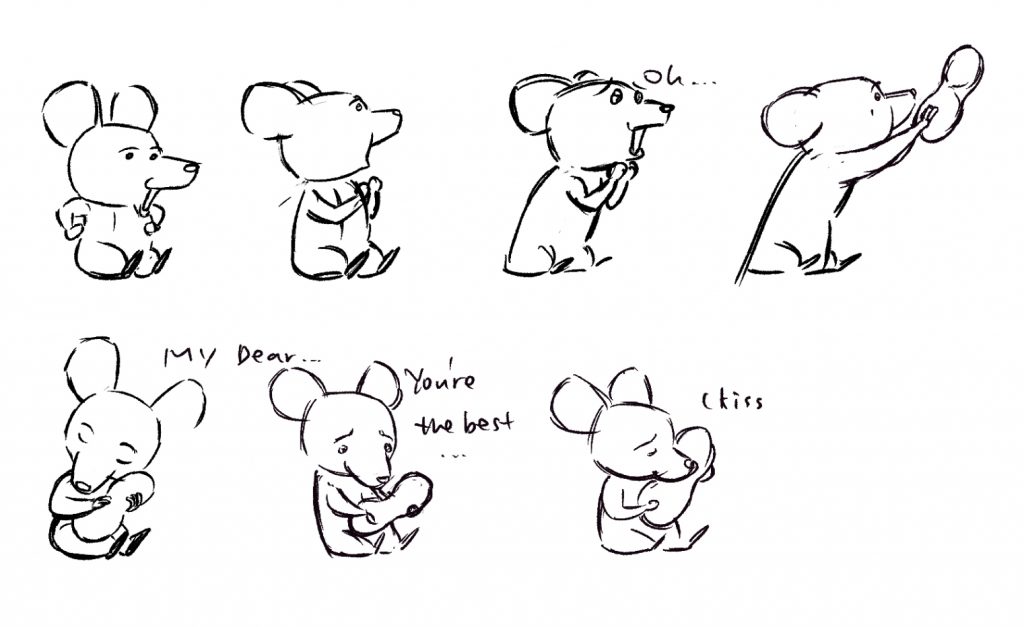
One thing I learnt from this project is the procedure of creating lip sync animation. I learned that the best approach is to first animate the character’s body movements before adding mouth shapes based on the dialogue. While this method seems simple, it significantly streamlines the workflow. Regardless of the dialogue, strong golden poses lay the foundation for a successful animation.
Another prospect is about Animating character interaction. Since a hand was handing the peanut to the mouse in this project, I had to animate two characters interacting. This introduced me to the concept of directing audience attention by controlling character movement and stillness, ensuring smooth shifts in audience focus between the two characters. I found this aspect particularly engaging.
Besides, it inspired me a lot about adding follow-throughs. The mouse’s large ears provided a great opportunity to practice follow-through animation. After animating the head’s movement, I then animated the ears, observing how their motion reacted to the head’s movement. By incorporating follow-through, the character’s animation gained a stronger sense of weight and liveliness.
Overall, these two projects helped me improve my skills in character performance, weight distribution, and animation principles, deepening my understanding of movement and expression in animation.
Leave a Reply